
| Company Location | New York, New York |
| Company Website | https://fanometalbunkbed.com/en/metal-bunk-bed-manufacturers-turkey/ |
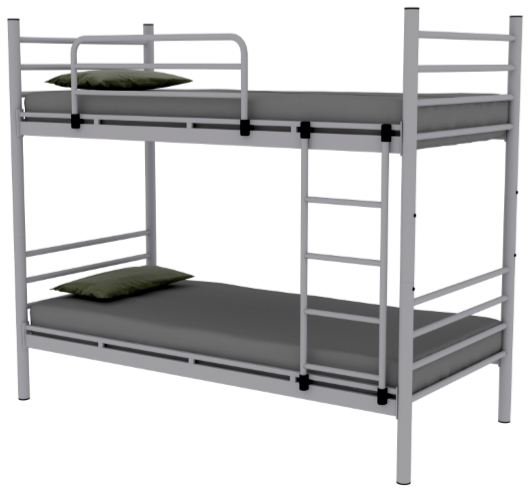
The modern bunk bed manufacturer operates in a complex ecosystem where innovation meets tradition. Manufacturers today must balance durability, ergonomics, and regulatory compliance while catering to a myriad of sectors worldwide. Countries such as Turkey, the USA, Germany, Brazil, and India require varied bunk bed designs—from heavy-duty military-grade to stylish, space-saving residential models. The global demand continues to expand as urbanization and population density increase, creating the need for bunk beds that optimize limited space without sacrificing safety or comfort.
Material selection plays a pivotal role in manufacturing quality bunk beds. Cold-rolled steel is often favored for its tensile strength and malleability, but manufacturers also employ aluminum alloys and composites depending on use cases. Steel frames typically use profiles between 20x60 mm and 25x50 mm with thicknesses from 1 mm to 2 mm, ensuring resistance against bending and warping. Welding is done with precision using robotic arms to guarantee consistent seam quality, minimizing weak points that could compromise structural integrity over time.
In educational institutions such as boarding schools in the UK, Canada, and South Korea, bunk beds must meet strict safety and ergonomic standards. Guardrails with minimum height clearances, ladder steps coated with anti-slip materials, and rounded edges prevent injuries in crowded dormitories. Many manufacturers now incorporate modular features, allowing easy conversion between single and bunk configurations to suit changing room layouts. Powder coating finishes in vibrant colors also help create a cheerful environment while protecting against corrosion.
Military applications demand exceptionally robust bunk beds that can endure rigorous use and transport. Countries like Poland, South Africa, and Turkey require designs with knock-down frames that can be quickly assembled and disassembled in the field without specialized tools. Frames made from 2 mm thick galvanized steel profiles withstand heavy loads, while matte or camouflage powder coatings reduce visibility. Noise-reducing rubber caps and non-squeak slat systems contribute to soldier comfort during long deployments.
Emergency response units and humanitarian organizations worldwide—operating in countries like Nigeria, Bangladesh, and Chile—prefer lightweight, collapsible bunk beds for disaster relief housing. These units need to be stackable, tool-free in assembly, and resilient against moisture and mold. Manufacturers catering to this segment provide pre-labeled components and multilingual assembly instructions. Compliance with international humanitarian standards such as Sphere is often mandatory.
Construction worker camps in the Middle East, Australia, and Latin America rely on bunk beds that combine rugged durability with affordability. Heavy gauge steel tubing, welded reinforcement plates, and wide steps accommodate workers carrying tools and protective gear. Since camps frequently relocate, foldable or knock-down designs that facilitate transport and rapid setup are essential. Some manufacturers add integrated lockers or under-bed storage solutions to increase utility within small rooms.
Hospital dormitories and healthcare facilities in France, Brazil, and Japan demand hygienic, easy-to-clean bunk beds. Surfaces coated with anti-bacterial powder paint reduce infection risks. Detachable guardrails and slats allow thorough sanitization between patients. Manufacturers often provide optional accessories like IV stands or medical equipment holders integrated into the frame design. Stability and silent operation are critical for patient comfort in these environments.
In prison systems across the USA, Norway, and South Africa, bunk beds must be tamper-proof, secure, and easy to maintain. Welded monobloc frames with reinforced joints prevent dismantling, while embedded locking bolts secure beds to floors or walls. Powder coatings resistant to chemical cleaning agents and graffiti protect aesthetics and hygiene. Design restrictions include elimination of sharp edges and ligature points to enhance inmate safety.
Hostels and budget hotels in urban centers such as Berlin, Tokyo, and Buenos Aires seek bunk beds that balance cost, durability, and style. Matte black or white powder coatings with wood accent panels create appealing aesthetics. Built-in USB ports, reading lamps, and privacy curtains cater to modern traveler needs. Quick assembly features allow fast room reconfigurations. Many manufacturers partner with hospitality consultants to tailor designs for high turnover environments.
In mining camps across Kazakhstan, Chile, and South Africa, bunk beds endure harsh environmental conditions. Heavy steel tubing resists impacts, dust, and humidity. Extra-wide ladders and slip-resistant steps improve safety for exhausted workers. Reinforced welds withstand frequent relocations, and powder coatings designed for chemical resistance prolong product life. Manufacturers also provide custom packaging solutions to minimize transport damage.
Naval vessels and offshore platforms in countries like Norway, Indonesia, and Brazil require marine-grade bunk beds. These feature corrosion-resistant stainless steel, vibration damping mounts, and compact footprints to maximize limited cabin space. Powder coatings comply with maritime safety standards such as IMO. Lockable safety rails and anti-rattle fasteners reduce noise and risk of injury in turbulent seas.
Sustainability trends have influenced bunk bed manufacturing worldwide. Markets in Scandinavia, Canada, and Germany demand eco-friendly products built from recycled steel and non-toxic powder coatings. Modular designs that minimize waste and packaging use water-based adhesives and recyclable cardboard. Lifecycle analyses and carbon footprint documentation increasingly accompany bids for large-scale institutional orders, enhancing manufacturer credibility.
Transportation sleeper cabins, whether in trains across Russia and India or long-haul trucks in the USA and Australia, require compact, foldable bunk beds. Vibration-resistant mounts, locking ladder systems, and ergonomic mattresses enhance driver rest quality. Regulatory compliance with transportation safety authorities influences design specifications. Some manufacturers incorporate smart sensors to monitor usage and wear.
Student housing complexes in Europe and Asia increasingly prefer modular bunk beds with integrated desks, storage, and smart features. Urban campuses in countries like the Netherlands, Japan, and France invest in beds with noise insulation panels, flexible layout options, and durable finishes that withstand heavy daily use. Custom branding and color options strengthen institutional identity and student engagement.
In refugee camps in Jordan, Ethiopia, and Bangladesh, bunk beds must be rapidly deployable and resistant to adverse climates. Manufacturers supply boltless models with antimicrobial coatings and moisture-resistant parts. Lightweight frames simplify logistics, and component standardization allows for quick repairs and replacements. Collaboration with NGOs ensures designs meet cultural and practical needs.
Co-living spaces in metropolitan hubs such as New York, London, and Seoul demand multifunctional bunk beds that maximize small apartments. Integrated storage drawers, fold-out desks, and modular designs provide flexibility for residents. Manufacturers experiment with mixed materials like metal and engineered wood to balance style and durability in these settings.
Emergency quarantine facilities established during health crises in China, Italy, and South Korea require bunk beds with antimicrobial surfaces and easy-clean designs. Quick assembly, detachable components, and compatibility with hospital-grade mattresses are essential. Bunk beds are designed to minimize surface area to reduce contamination risks.
Religious boarding schools in Indonesia, Israel, and the Philippines require robust, simple bunk beds suitable for communal living. Frames emphasize durability and ease of cleaning, with color schemes reflecting cultural norms. Manufacturers often customize designs to include modesty panels and adjustable ladder placement.
Youth summer camps in Canada, Germany, and Australia prefer bunk beds with playful designs and safety features tailored to children. Rounded edges, soft-touch paint, and anti-slip steps reduce injury risks. Modular assembly kits enable camp staff to quickly reconfigure sleeping quarters between sessions.
Tourist hostels in cities like Barcelona, Bangkok, and Buenos Aires increasingly integrate technology-enabled bunk beds. Features include USB charging stations, privacy curtains, and adjustable lighting. Manufacturers collaborate with designers to blend functionality and style, catering to millennial travelers.
Agricultural labor housing in the USA, Spain, and Morocco requires cost-effective, durable bunk beds that endure humid and dusty environments. Galvanized frames and mesh slats improve air circulation and reduce mildew risk. Modular designs facilitate seasonal storage and transport.
Luxury tiny homes and micro-apartments in Switzerland, Australia, and Canada incorporate bunk beds as space-saving focal points. Integrated shelving, convertible desks, and foldable upper bunks enhance versatility. High-quality materials and finishes appeal to affluent consumers seeking functional design.
Correctional halfway houses and reintegration centers in the UK, South Africa, and the USA demand secure but comfortable bunk beds. Design balances safety features such as tamper-proof fittings with residential-style aesthetics to aid rehabilitation.
Field hospitals and mobile clinics in Brazil, India, and Turkey utilize bunk beds designed for medical environments. Antimicrobial coatings, detachable rails, and caster wheels enable rapid deployment and sanitation. Integration with medical equipment is a common customization.
Pop-up exhibition stands and trade fairs in Germany, Italy, and the UAE often feature innovative bunk bed designs to showcase space-saving solutions. Manufacturers use CNC cutting and laser engraving to produce visually striking pieces that highlight technical expertise.
Firefighter dormitories in New York, Tokyo, and Milan utilize bunk beds with integrated gear storage and quick-access ladders. Fire-resistant finishes and sturdy construction ensure longevity under demanding use.
Military rapid deployment units across NATO countries and the Middle East require foldable, lightweight bunk beds that meet strict durability and safety standards. Designs must endure transport shock and rough handling while providing soldier comfort.
Coastal and island nations such as the Maldives, Philippines, and Caribbean states prefer corrosion-resistant bunk beds suited for tropical climates. Powder coatings and stainless steel components protect against saltwater damage.
Industrial camps supporting large-scale infrastructure projects in Angola, Uzbekistan, and Peru depend on bulk bunk bed orders that are rugged, easy to assemble, and cost-efficient. Manufacturers optimize designs for container loading and shipment durability.
University dormitories in France, Poland, and South Korea require bunk beds that comply with updated fire safety codes and provide ergonomic support for students. Adjustable components and durable finishes are standard.
Refugee shelter providers in Lebanon, Sudan, and Myanmar prioritize bunk beds that meet international humanitarian standards and local cultural preferences. Modular, easy-to-clean designs aid rapid setup and long-term use.
Smart bunk beds integrated with IoT sensors are emerging in tech campuses in Silicon Valley, Shenzhen, and Bengaluru. These beds monitor sleep quality, occupancy, and maintenance needs, representing the future of connected furniture.
Bunk beds for urban co-housing projects in Berlin, San Francisco, and Seoul offer multifunctional furniture solutions designed to maximize limited living spaces while supporting communal lifestyles.
Prison and detention facilities in the USA, Norway, and Thailand require anti-ligature bunk beds with reinforced construction, smooth surfaces, and secure anchoring to prevent tampering or misuse.
In summary, the bunk bed manufacturing industry spans an incredible range of applications, environments, and customer requirements. Manufacturers who excel combine engineering prowess with deep understanding of sector-specific needs, ensuring their products are safe, durable, and adaptable across diverse markets globally. From humanitarian aid to luxury residential projects, the humble bunk bed continues to evolve as a vital solution for modern living.
Current job openings at Bunk Bed Manufacturer
- Currently this employer doesn't have any openings.